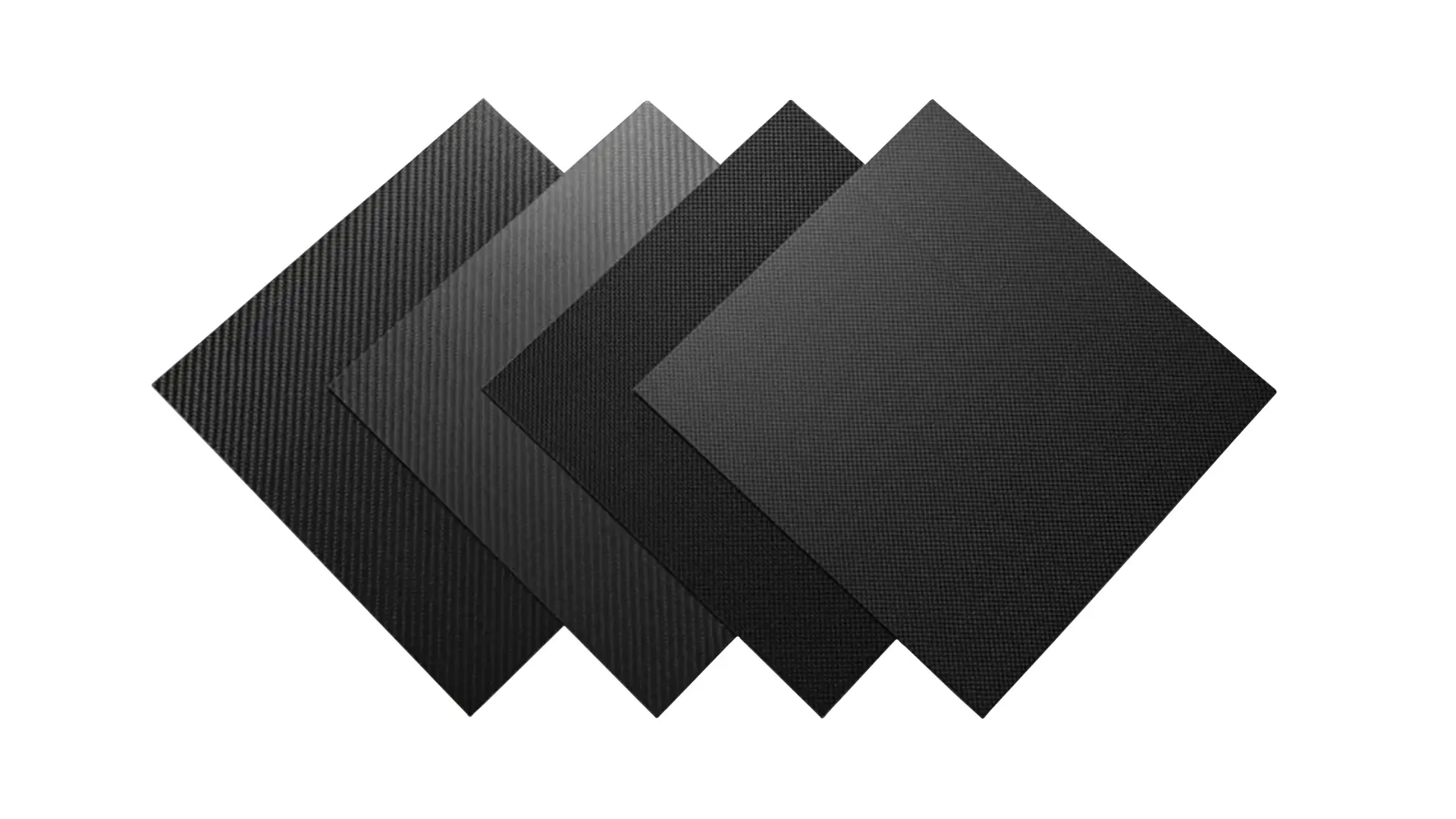
Typical Weight of Mustang Carbon Fiber Hoods by Model
The weight of a mustang carbon fiber hood depends strongly on the model year, hood design, and manufacturing method. Most high-quality hoods are produced using standard 3K 2×2 twill weave carbon fiber fabric, cured by vacuum infusion and autoclave processes. This combination ensures strength, stiffness, and low weight. For comparison, we analyzed several well-known Mustang models.
Weight Comparison Table
| Mustang Model | Stock Hood Weight (Steel/Aluminum) | Carbon Fiber Hood Weight (Vacuum + Autoclave, 3K 2×2 Twill) | Approx. Weight Reduction |
|---|---|---|---|
| Mustang GT (2015–2017) | 42–46 lbs | 20–24 lbs | 50% |
| Mustang GT500 (2020) | 48–52 lbs | 22–26 lbs | 50% |
| Mustang EcoBoost (2018–2020) | 40–44 lbs | 18–22 lbs | 55% |
| Mustang Mach 1 (2021) | 44–47 lbs | 21–25 lbs | 48% |
| Classic Mustang (1967 Fastback) | 60–65 lbs | 27–32 lbs | 50–55% |
| Mustang Shelby GT350 | 50–55 lbs | 23–28 lbs | 50–55% |
As the table shows, a mustang carbon fiber hood typically weighs less than half of the original hood. While stock hoods can range from 40 to 65 pounds depending on the model, carbon fiber versions usually fall in the 18 to 32 pound range. This reduction directly translates to improved acceleration, better cornering balance, and easier handling during hood removal or installation.
How Production Lines Affect Mustang Carbon Fiber Hood Weight
Not all mustang carbon fiber hoods are manufactured the same way. The production line chosen significantly impacts the final weight, stiffness, cosmetic quality, and cost. At Alizn, we operate several production lines, but not all are suitable for every hood. Below we examine the main approaches and their effects on hood weight.

Manufacturing Method Overview
| Production Line | Description | Typical Hood Weight | Impact on Weight | Comments |
|---|---|---|---|---|
| Wet Layup + Hand Lamination | Layers of carbon fiber placed manually, resin brushed or rolled in, cured at room temp or oven | 26–34 lbs | Heavier due to excess resin | Cost-effective for small batches, cosmetic finish depends on skill |
| Vacuum Infusion | Dry fabrics placed in mold, resin infused under vacuum, oven cured | 22–28 lbs | Good balance of resin control | Lighter than wet layup, more consistent quality |
| Prepreg + Vacuum Bag + Autoclave | Pre-impregnated carbon fiber, consolidated under vacuum, cured in autoclave | 20–25 lbs | Lightest and strongest option | High tooling and production cost, excellent finish |
| Compression Molding (SMC Carbon) | Chopped carbon sheet molding compound, pressed in heated mold | 25–30 lbs | Denser and heavier | Suitable for very high volume, lower cost but not as light |
| Hybrid Carbon + Fiberglass Layers | Carbon fiber outer layers with fiberglass backing | 24–30 lbs | Heavier than full carbon | Used for cosmetic purposes, lower material cost |
From a manufacturer’s perspective, the lightest and highest-performance mustang carbon fiber hood is achieved using prepreg carbon fiber cured in an autoclave. However, this production line requires advanced equipment, high energy consumption, and skilled labor. Wet layup methods, by contrast, are heavier due to excess resin but more affordable for small orders. Vacuum infusion balances both weight and cost, making it a common choice for automotive aftermarket parts.
Customization Options and Their Influence on Weight
The weight of a mustang carbon fiber hood can also be tuned by customization choices. Customers can request different ply counts, fiber orientations, resin systems, and surface finishes. Each decision influences the balance between weight, strength, and appearance.
Table: Customization Parameters and Their Effect on Hood Weight
| Customization Option | Variation | Approximate Effect on Hood Weight | Notes |
|---|---|---|---|
| Ply Count (Number of Carbon Layers) | Increase by 1 ply (per full hood surface) | +1.5 to 2.5 lbs | More plies increase stiffness and crash resistance but add weight |
| Resin Content | Increase resin content by 5% | +1 to 1.5 lbs | Higher resin improves toughness but adds density |
| Core Material (Foam or Honeycomb) | Add lightweight foam core | +0.5 to 1 lb | Provides stiffness with minimal weight increase |
| Hybrid with Fiberglass | Replace inner carbon plies with fiberglass | +2 to 4 lbs | Reduces cost but increases weight |
| Clear Coat Finish | Glossy UV-protective coating | +0.5 lb | Necessary for outdoor exposure, adds slight weight |
| Paint Prep Surface | Gel coat for painting | +1 lb | Slightly heavier but allows color customization |
Practical Example
Suppose a baseline mustang carbon fiber hood weighs 22 lbs using prepreg and autoclave methods. If a customer requests two additional plies for extra stiffness, adds a foam core, and applies a glossy UV clear coat, the final weight may rise to approximately 26 lbs. Conversely, if the customer selects a hybrid carbon-fiberglass design, the weight could reach 28–29 lbs.
By understanding these trade-offs, customers can prioritize between lightweight performance or added durability and cost savings. At Alizn, we guide clients through these choices to balance performance, aesthetics, and budget.

Performance Benefits of Lightweight Mustang Carbon Fiber Hoods
Reducing hood weight has multiple direct and indirect performance advantages:
- Improved acceleration: Every 10 lbs of weight reduction at the front of a car has a measurable effect on acceleration. A mustang carbon fiber hood saves between 20–30 lbs, translating into faster throttle response.
- Better handling: Lowering the mass at the front improves weight distribution and reduces understeer. This is particularly valuable in performance models such as the GT500 and GT350.
- Easier installation and maintenance: Lighter hoods are easier to remove or adjust during engine maintenance, saving labor time.
- Enhanced aesthetics: The visual appearance of a carbon fiber hood also contributes to the vehicle’s identity, especially when finished with a glossy weave pattern.
Case Studies: Different Mustang Models and Hood Weight Choices
Case Study A: Mustang GT Daily Driver
Customer requires a carbon fiber hood for a 2016 Mustang GT, prioritizing appearance and moderate weight savings. The recommended method is vacuum infusion with UV clear coat. Final weight: 24 lbs. Balance of cost, durability, and aesthetics.
Case Study B: Mustang GT500 Track Car
Customer builds a track-focused GT500 and requests maximum weight reduction with high stiffness. The best choice is prepreg autoclave with optimized ply schedule. Final weight: 21 lbs. Provides maximum performance with premium finish.
Case Study C: Classic 1967 Mustang Fastback Restoration
Customer wants a lighter hood while maintaining structural integrity. Due to large hood surface area, vacuum infusion with core reinforcement is recommended. Final weight: 30 lbs compared to 63 lbs steel original. Maintains classic style with improved handling.
Cost Implications of Weight Choices
Although specific prices cannot be listed, it is clear that reducing weight typically requires more advanced processes, which add *** to manufacturing costs. For example:
- Wet layup hoods are heavier but cost fewer ***.
- Prepreg autoclave hoods are lightest but require more *** due to higher labor and equipment costs.
- Hybrid carbon-fiberglass hoods are cost-effective but compromise weight reduction.
Customers must decide whether the weight advantage justifies the additional ***. At Alizn, we provide transparent consultation so clients understand these trade-offs.

Quality Control for Weight Accuracy
Ensuring the specified weight of a mustang carbon fiber hood requires strict quality control measures. At Alizn, we perform the following checks:
- Precise ply counting and cutting using automated cutting machines.
- Resin content control through vacuum infusion or prepreg weighing.
- Final hood weighing before shipment to confirm compliance with specifications.
- Dimensional checks to ensure no excess resin pools or thickness variation.
By following these methods, we guarantee that the customer receives the expected hood weight with minimal deviation.
Future Trends in Mustang Carbon Fiber Hood Manufacturing
Several technological improvements are influencing the future of mustang carbon fiber hood weight optimization:
- Advanced prepregs with higher fiber volume fractions reduce resin use, lowering weight.
- Out-of-autoclave curing methods are being adopted, providing autoclave-level quality without as much equipment cost.
- Automated fiber placement (AFP) for complex areas can optimize weight distribution more precisely.
- Recycled carbon fiber materials are being explored, though current results show slightly higher weight compared to virgin carbon fiber.
As these technologies mature, Mustang owners will benefit from lighter, stronger, and more cost-effective carbon fiber hoods.
Why Alizn Offers Competitive Customization Prices
At the end of this guide, it is important to explain why Alizn is able to provide custom mustang carbon fiber hoods at competitive prices, even when advanced methods are used.
- Carbon fiber parts are labor-intensive, and Alizn has developed efficient production workflows with skilled labor that reduce time and waste. This advantage translates into lower customization costs.
- Alizn is based in China, where raw carbon fiber fabrics and resins are sourced at lower prices compared with international markets. This raw material advantage significantly reduces overall cost.
- Alizn has invested in advanced production lines, including autoclaves, precision molds, and automated cutting machines. These technologies allow us to manufacture high-quality hoods with fewer defects and faster cycle times, further reducing cost.
By combining labor advantages, raw material sourcing, and technical expertise, Alizn delivers mustang carbon fiber hoods that are both lightweight and affordable for customers worldwide.

Conclusion
A mustang carbon fiber hood is one of the most impactful modifications for reducing vehicle weight and enhancing performance. Depending on the Mustang model, stock hoods range from 40 to 65 lbs, while carbon fiber versions typically weigh 18 to 32 lbs. The production line, customization choices, and quality standards directly influence final hood weight. Customers must consider their application, whether daily driving, racing, or restoration, and select the most suitable manufacturing approach.
At Alizn, we combine professional expertise, advanced equipment, and cost advantages to guide customers in choosing the right mustang carbon fiber hood. Whether your priority is maximum weight reduction, cost efficiency, or cosmetic quality, Alizn provides tailored solutions that balance performance with affordability.
Final Thoughts
As composite material experts, we are willing to provide you with critical assistance. The correct judgment now avoids cost overruns, delays, and disappointing results later.
Need advice on your custom carbon fiber part? Reach out to our team for expert guidance.