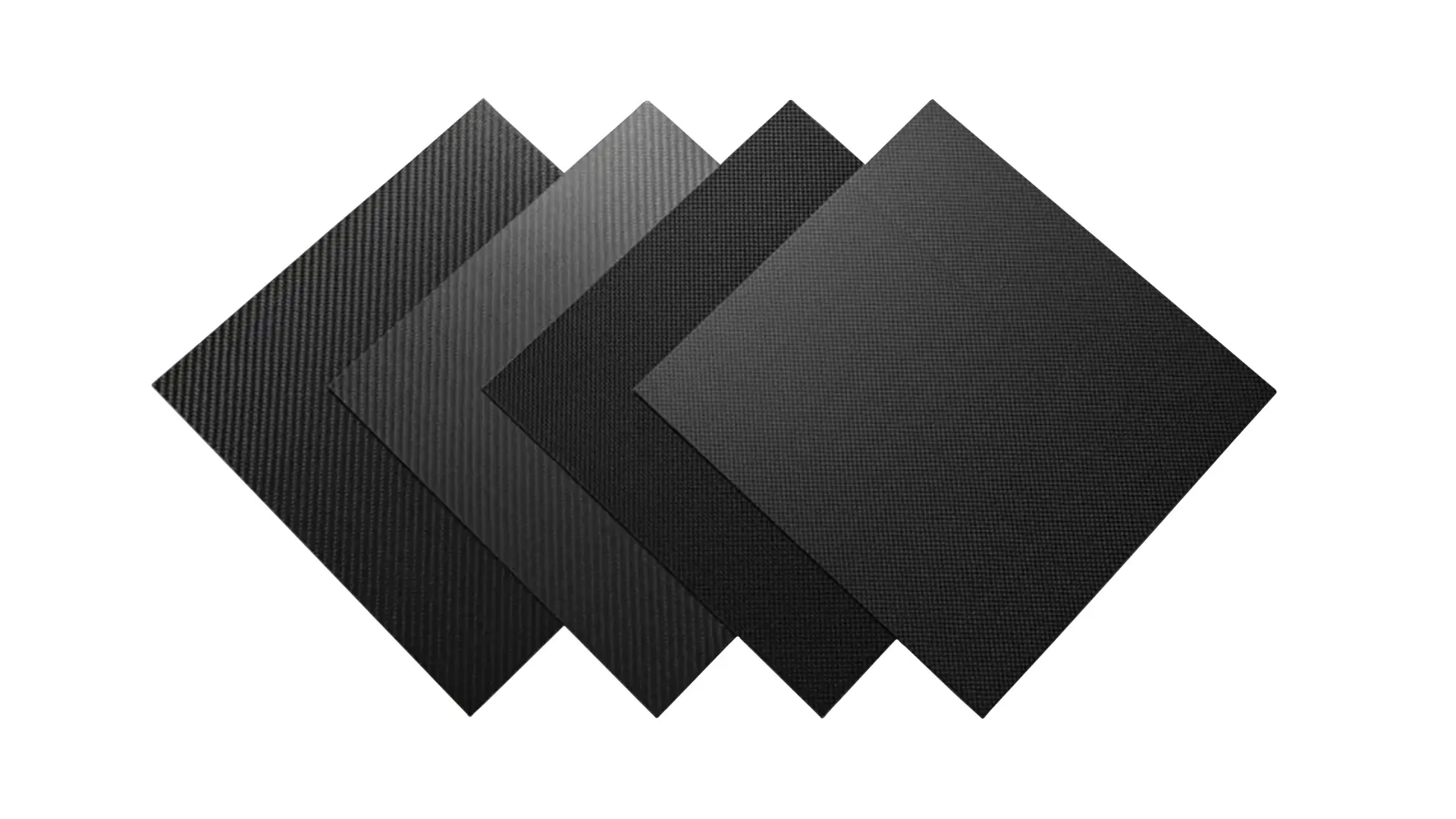
Carbon fiber compression molding is a cornerstone technique in modern carbon fiber parts manufacture, enabling the creation of lightweight yet robust components. If you’re considering partnering with a carbon fiber parts manufacturer like Alizn, understanding this method will help you appreciate why it’s ideal for your projects. We’ll cover the entire production line, highlighting standardized procedures that ensure quality at every turn.
Understanding Carbon Fiber Compression Molding
Carbon fiber compression molding involves applying heat and pressure to carbon fiber materials within a mold to form precise shapes. This process is essential for producing carbon fiber parts that exhibit exceptional strength-to-weight ratios. As a customer, you want assurance that the parts you receive are defect-free and performant, which is why our Alizn team follows standardized protocols from start to finish.
In essence, carbon fiber compression molding transforms raw carbon fiber sheets or preforms into finished products through controlled compression. The technique minimizes voids and ensures uniform resin distribution, resulting in parts that withstand extreme conditions. Whether you’re in need of custom carbon fiber parts for prototypes or bulk orders, this method provides the reliability you seek.
At Alizn, our carbon fiber compression molding production line is designed with customer trust in mind. We invite you to envision walking through our facility as we detail each phase, knowing that international standards like ISO 9001 guide our operations.
Mold preparation in Carbon Fiber Compression Molding
Our molds are meticulously crafted from hardened steel or aluminum, designed for durability, even heat transfer, and precise geometries based on engineering specifications. Before each production cycle, technicians conduct a thorough inspection, checking for any imperfections, wear, or residue from previous uses. This standardization includes dimensional verification using calipers and surface scans to confirm tolerances within 0.05mm, guaranteeing flawless replication of your carbon fiber parts.
Once the mold passes inspection, it’s cleaned meticulously and coated with release agents, such as silicone-based sprays, applied uniformly via automated systems to prevent sticking and facilitate easy demolding.
Resin selection follows, where we choose epoxy or phenolic resins based on your application’s needs, such as heat resistance or chemical durability. In our mixing area, resins are blended with hardeners under vacuum to eliminate air bubbles—a standard procedure that prevents weaknesses in the final carbon fiber parts.
Material preparation and layering
The carbon fiber compression molding production line begins with meticulous material preparation, a step that’s crucial for achieving consistent outcomes. In our Alizn warehouse, where rolls of carbon fiber fabric are stored in climate-controlled environments to prevent moisture absorption. Our technicians, inspect each batch for quality, ensuring fibers meet specifications for tensile strength and weave pattern.
Next comes the material cutting and layering step, tailored to the type of composite used—either prepreg (pre-impregnated carbon fiber sheets) or wet layup (dry carbon fiber cloth). In a controlled cleanroom environment to prevent contamination, our automated cutters precisely slice the carbon fiber sheets or cloth to match the mold’s dimensions and required layer configurations.
Technicians then stack the cut layers, alternating fiber directions for isotropic strength, akin to building a high-performance composite structure. Checklists standardize this process, verifying layer count, orientation, and alignment against your project’s engineering drawings.

Layup Process in Compression Molding
In the compression molding process, layup is one of the key steps, mainly involving workers placing materials (such as prepreg or wet layup) into the mold to ensure even distribution and conformity to the product shape. The following describes two common variants: the layup process using prepreg, and the layup process using wet fabric (often used in wet layup or combined with resin infusion processes).
1. Layup Process Using Prepreg
Prepreg is fiber fabric or cloth pre-impregnated with resin, offering high precision and consistency, commonly used for high-performance composite materials.
- Placing the Prepreg: Workers wear gloves and place the cut prepreg sheets layer by layer into the mold cavity. Starting from the bottom of the mold, layers are stacked sequentially, ensuring the fiber orientation of each layer meets design requirements (e.g., alternating 0°/90° layup for enhanced strength). Use a roller or scraper to gently compact each layer, removing bubbles and wrinkles. For complex molds, a heat lamp may be used to soften the prepreg for better conformity to curved surfaces.
- Interlayer Processing: During multi-layer placement, check interlayer adhesion to ensure no voids. If needed, add core materials (such as foam or honeycomb structures) as sandwich layers.
2. Layup Process Using Wet Fabric (Combined with Resin Infusion)
Wet layup involves first wetting dry fiber fabric with resin before placing it into the mold, or directly laying dry fabric followed by resin injection, commonly used for low-cost, large-scale component molding.
- Wetting and Placing Wet Fabric: Workers immerse the dry fiber fabric in pre-mixed resin to fully saturate it (wet fabric state), then quickly place it into the mold (to avoid premature resin curing). Start laying from one end of the mold, stacking layers sequentially, and use a brush or roller to evenly apply resin, ensuring complete fiber impregnation. Compact each layer to expel excess resin and bubbles. For dry layup variants, dry fabric can be laid directly into the mold, compacted layer by layer, and then the mold sealed.
- Resin Injection: After layup is complete, close the mold. Inject resin through preset injection ports using vacuum assistance or a pressure pump. The resin flows to fill the mold cavity, impregnating all fiber layers. Monitor injection pressure and time to ensure no dry spots (unimpregnated areas).

Heating and Compression: The Core Transformation
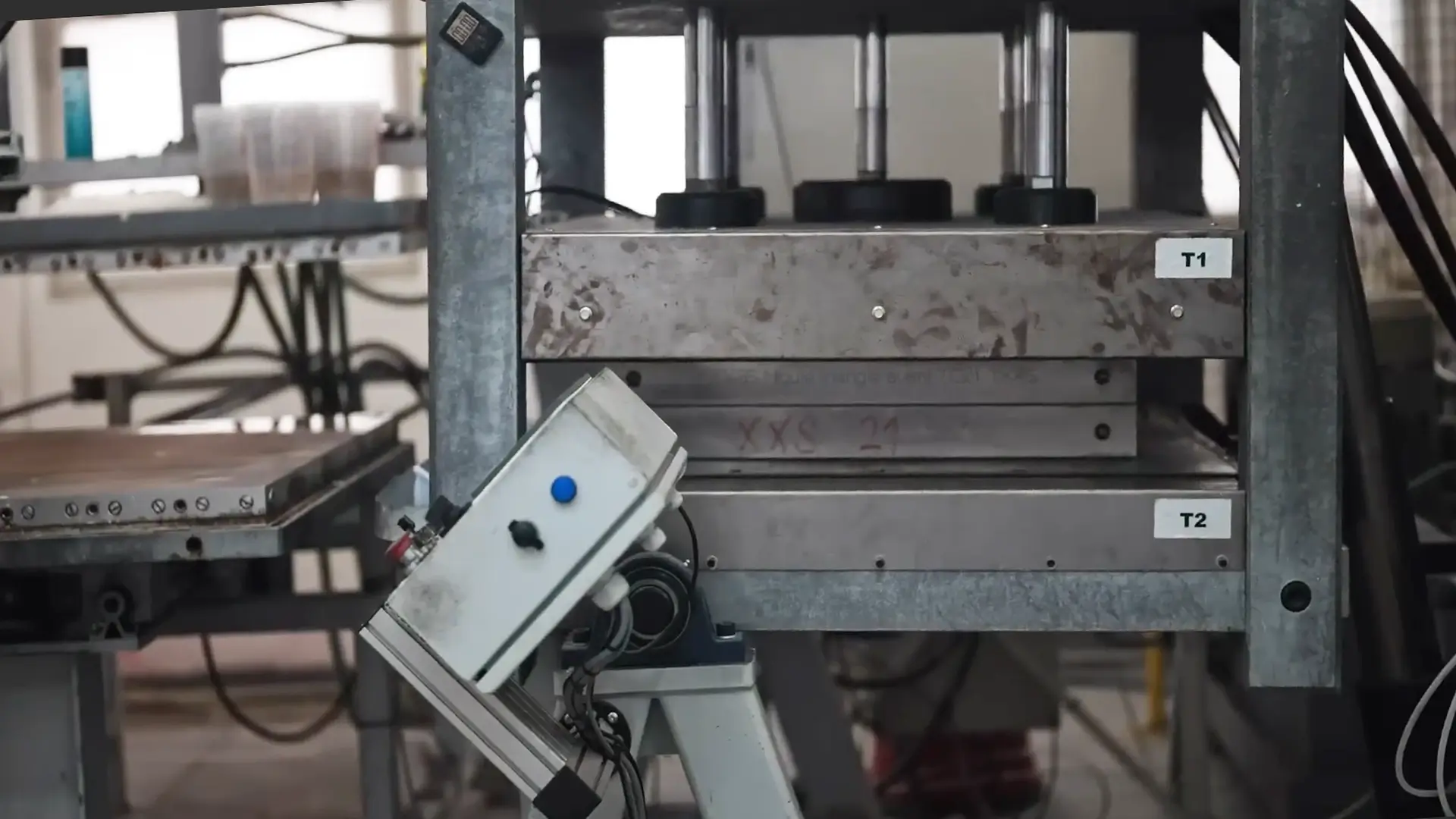
Now, envision the press area, where the magic of carbon fiber compression molding happens. Hydraulic presses, capable of exerting 100-500 tons of force, close the mold halves. Heat platens ramp up to 120-180°C, controlled by multi-zone thermocouples for uniform temperature distribution.
Pressure is applied gradually in stages—initially low to allow resin flow, then higher to compact the fibers. Dwell times range from 5-20 minutes, depending on part thickness, allowing full resin cure. Our standards mandate real-time monitoring with pressure transducers, aborting cycles if parameters deviate by more than 5%.
This controlled environment ensures carbon fiber parts emerge with high fiber volume fractions, typically 55-65%, translating to the lightweight strength you demand.
Cooling and Demolding with Precision
After compression, the mold enters the cooling phase. Water-cooled channels or air blasts bring temperatures down steadily to avoid thermal shocks that could cause warping. At Alizn, we use programmable logic controllers (PLCs) to manage this, adhering to cooling rates of 5-10°C per minute.
Demolding follows, where the press opens, and ejector pins gently push out the part. Technicians inspect for flash or imperfections immediately, using standardized gauges to check dimensions.
Post-Processing to Refine Carbon Fiber Parts
The carbon fiber compression molding production line continues with post-processing in dedicated stations. Trimming excess material uses CNC routers or abrasive waterjets, programmed to your exact specifications. Edges are deburred by hand or machine to smooth finishes.
Sanding and polishing enhance surface quality, often to a Class A finish for aesthetic applications. We apply coatings like UV-resistant clear coats if required, baked in ovens at controlled temperatures. Standardization here includes batch testing for adhesion and gloss levels.

Quality Control Throughout the Line
Quality control is woven into every aspect of our carbon fiber compression molding production line. Non-destructive testing, such as ultrasonic scanning, detects internal voids.
We also perform mechanical tests on samples from each run, measuring tensile strength and flexural modulus per ASTM standards. As a customer, this rigorous regime means you receive carbon fiber parts with certificates of conformance, building your confidence in Alizn.
To provide a clear overview of our standardized testing, here’s a table detailing key quality checks at various stages:
| Stage in Production Line | Quality Check Performed | Standard Applied | Tolerance Level | Frequency |
|---|---|---|---|---|
| Material Preparation | Fiber Inspection and Cutting Accuracy | ISO 9001 | ±0.1mm | Every Batch |
| Layering and Preforming | Layer Orientation Verification | ASTM D3039 | 100% Compliance | Per Preform |
| Mold Setup and Loading | Release Agent Coverage | Internal Protocol | Uniform Application | Per Mold Cycle |
| Heating and Compression | Temperature and Pressure Monitoring | PLC Calibration | ±5% Deviation | Real-Time |
| Cooling and Demolding | Dimensional Gauging | CMM Accuracy | ±0.05mm | Every Part |
| Post-Processing | Surface Finish Measurement | Gloss Meter | Ra < 0.8µm | Sample per Batch |
| Final Quality Control | Mechanical Testing | ASTM D790 | >95% Pass Rate | 1 in 50 Parts |
This table illustrates how our carbon fiber compression molding adheres to standards, ensuring reliability for your applications.

Applications of Carbon Fiber Compression Molding
| Application Sector | Product Links |
|---|---|
| Automotive | Hoods, 370Z Hood, 350Z Hood, G37 Hood, G35 Hood, Camaro Hood, RSX Hood, Doors, Steering Wheel, Wheels, Spoiler, License Plate Frame, Fenders, Interior, Seats, Wing, Mirror Caps, bumpers, engine covers, chassis components |
| Sports, Recreation and Transportation | Helmets, Bike Frame, Handlebars, Fairings, Bicycle Stem, Bicycle Forks, Bike Saddle, AFO, Hard Hats, Insoles, Shin Guards, Kayak Paddle, Golf Clubs, Pickleball Paddle, Skateboard, Arrows, Fishing Rods, Pool Cue, Pole, Seatpost, Rod, fuel tanks, exhaust covers, swingarms, hockey sticks, tennis rackets, ski poles, boat hulls, mast sections, rudder blades |
| Consumer Goods and Accessories | Phone Case, Ring, Shoes, Guitar, Wallet, Glasses, Knife, Watch, Handguard, Cello, Mouse, Desk, cigar cases, laptop cases, furniture panels, drone casings, camera housings, circuit board supports |
| Medical and Assistive Devices | Wheelchair, prosthetics, orthotic braces, surgical trays |
| Industrial, Aerospace and Defense | Tripod, Barrel, 3 Inch 76mm OD Tube, 2 Inch Tube, 5 Inch Tube, 1 Inch Tube, 4 Inch Tube, Square Tube, 1.5 Inch Tube, Round Tube, Rod, Hard Hats, Handguard, machine enclosures, tooling molds, robotic arms, fuselage panels, wing spars, satellite structures, launch vehicle components, armor plates, vehicle panels, drone frames |
FAQ About Carbon Fiber Compression Molding
It offers high strength, low weight, stable dimensions, fast cycle time, and is suitable for mass production.
Typical wall thickness is 1.0–3.0 mm, depending on material ,mold and part design.
Yes. It supports Class A surface finish, with smooth, uniform texture—matte, glossy, or painted.
With metal tooling, tolerances of ±0.2 mm are common, suitable for most industrial applications.
Yes. Metal inserts, threaded nuts, and reinforcement plates can be integrated during molding.
Compression molds are typically steel or aluminum. Lead time is usually 3–6 weeks, depending on complexity.
Final Thoughts
As composite material experts, we are willing to provide you with critical assistance. The correct judgment now avoids cost overruns, delays, and disappointing results later.
Need advice on your custom carbon fiber part? Reach out to our team for expert guidance.